
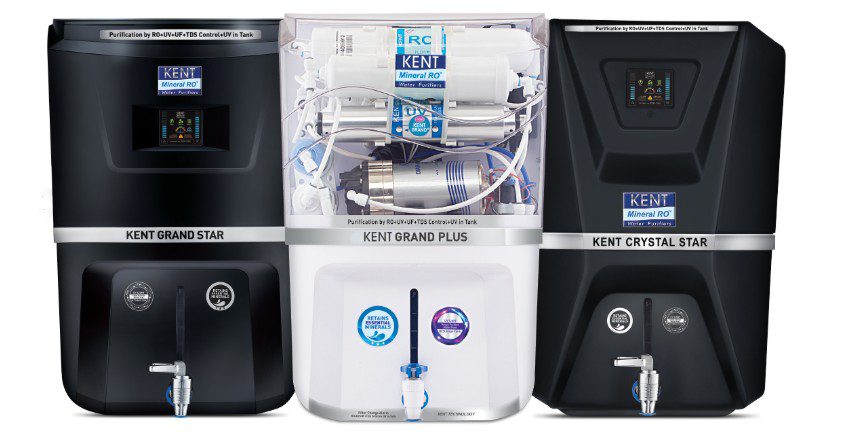
Access to safe drinking water remains a priority for modern households. Changes in water quality and rising health awareness are influencing purchase decisions. As a result, the water purifier market is evolving toward smarter, more efficient solutions.
In 2026, innovation extends beyond filtration performance. Buyers are paying closer attention to digital features, sustainability, and overall RO Water Purifier Price trends. The following developments are expected to shape the category in the coming year.
1. Smart Connectivity and Real-Time Monitoring
Smart home technology is becoming standard in urban households. Water purification systems are now integrating with mobile applications and digital interfaces. These features allow users to monitor filter life, purification status, and service schedules remotely.
Real-time alerts reduce uncertainty and improve maintenance planning. Users can schedule servicing before performance declines. This integration enhances convenience while improving long-term system reliability. Smart monitoring is gradually becoming a core expectation rather than a premium add-on feature.
2. Advanced Multi-Stage Filtration Systems
Water sources vary significantly across regions, which increases the need for adaptable purification methods. Modern systems combine RO, UV, and UF technologies to address multiple contaminants simultaneously.
This multi-stage process removes dissolved impurities, harmful microorganisms, and suspended particles. At the same time, many systems incorporate mineral retention or remineralisation features. This helps maintain balanced taste while ensuring safety. Advanced filtration is now influencing consumer expectations across all price segments.
3. Improved Water Recovery and Efficiency
Water wastage during purification has long been a consumer concern. Traditional RO systems often produced significant rejected water. In 2026, manufacturers are focusing on improved membrane technology and higher recovery rates.
Enhanced systems minimise water rejection while maintaining purification standards. Some models enable the reuse of rejected water for cleaning or household tasks. Efficiency is now considered alongside performance and durability. Buyers frequently compare recovery rates when evaluating the overall RO water purifier price.
4. Greater Transparency in Pricing and Ownership Costs
Consumers are increasingly analysing the total cost of ownership before making a purchase. This includes installation charges, replacement filters, and annual maintenance contracts.
Greater clarity in the RO water purifier price structure helps buyers assess long-term affordability. Subscription-based service models are also gaining traction. These plans offer scheduled maintenance at predictable intervals. Transparent pricing builds trust and supports informed decision-making.
5. Compact Designs for Modern Kitchens
Urban homes often have limited kitchen space. Appliance manufacturers are responding with slimmer and more adaptable designs. Wall-mounted and under-sink systems are becoming more common.
Compact units are designed to integrate seamlessly with modular kitchens. Despite smaller footprints, performance standards remain uncompromised. Modular construction also simplifies servicing and part replacement. Design now balances functionality, space efficiency, and visual appeal.
6. Sustainable Materials and Energy Efficiency
Environmental responsibility is influencing appliance manufacturing practices. Companies are exploring recyclable materials and energy-efficient components to reduce environmental impact.
Improved filter longevity decreases plastic waste generated from frequent replacements. Energy-saving modes also help reduce electricity consumption. Sustainability is gradually becoming a deciding factor in the purchase of a Water Purifier. Consumers are seeking systems that align with broader environmental goals.
7. Growing Trust in Established Brands
Brand credibility continues to shape buying behaviour in the purification segment. Consumers prefer manufacturers with proven track records and accessible service networks.
Leading brands such as KENT are focusing on innovation, durability, and digital integration to remain competitive. Reliable after-sales support strongly influences long-term satisfaction. Buyers increasingly evaluate brand reputation alongside features and RO water purifier price comparisons. Trust and service assurance now complement technological advancements.
Conclusion
The water purification industry in 2026 reflects rapid technological progress and evolving consumer awareness. Smart connectivity, advanced filtration, and improved efficiency are reshaping expectations across the category.
When selecting a water purifier, buyers should assess filtration technology, recovery rate, maintenance requirements, and service support. Careful evaluation of the RO water purifier price and long-term operating expenses supports a balanced decision. These trends indicate a future where purification systems are smarter, more efficient, and aligned with sustainable living priorities.